Industry context · general information
About Textile Wastewater Treatment
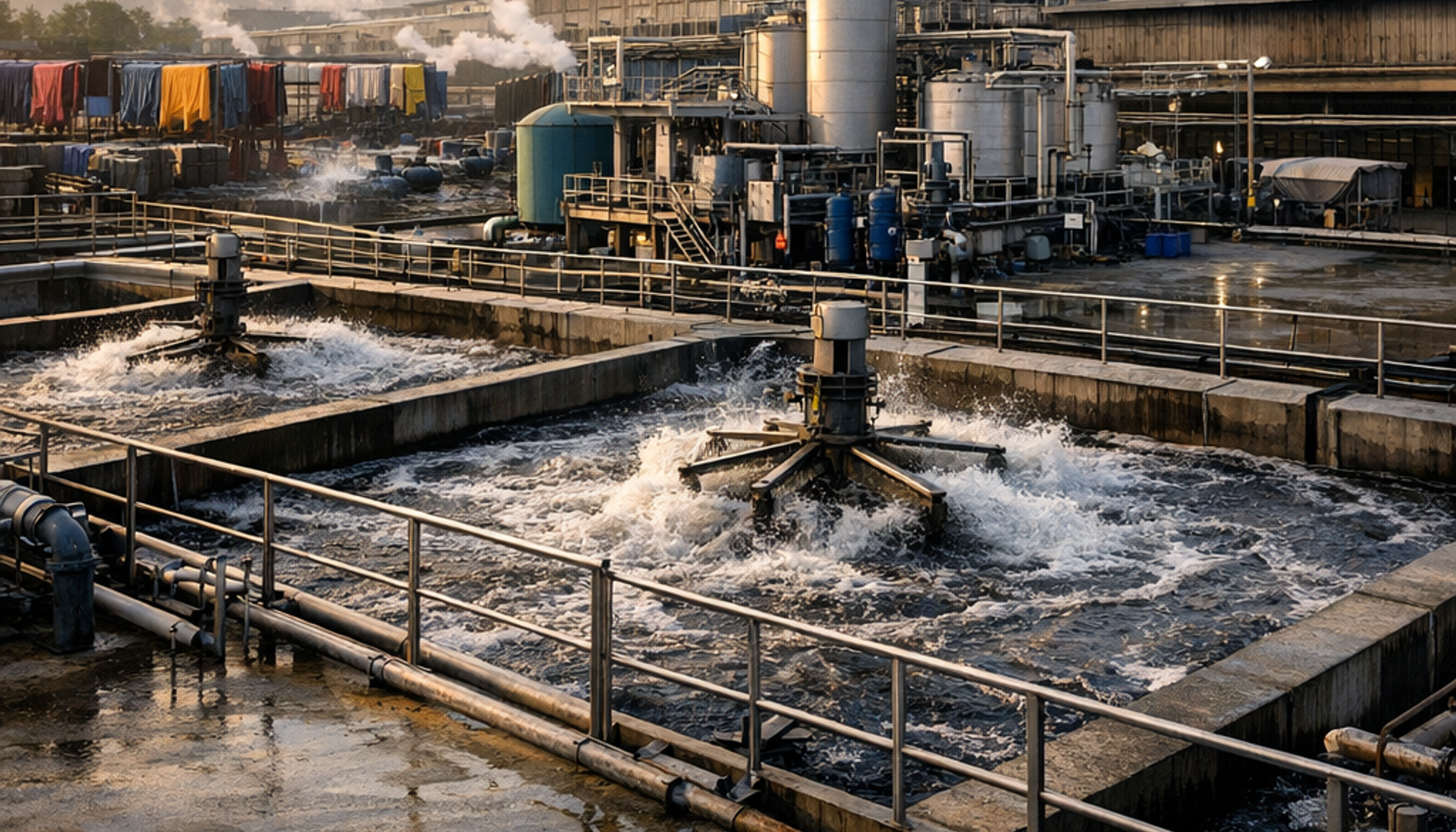
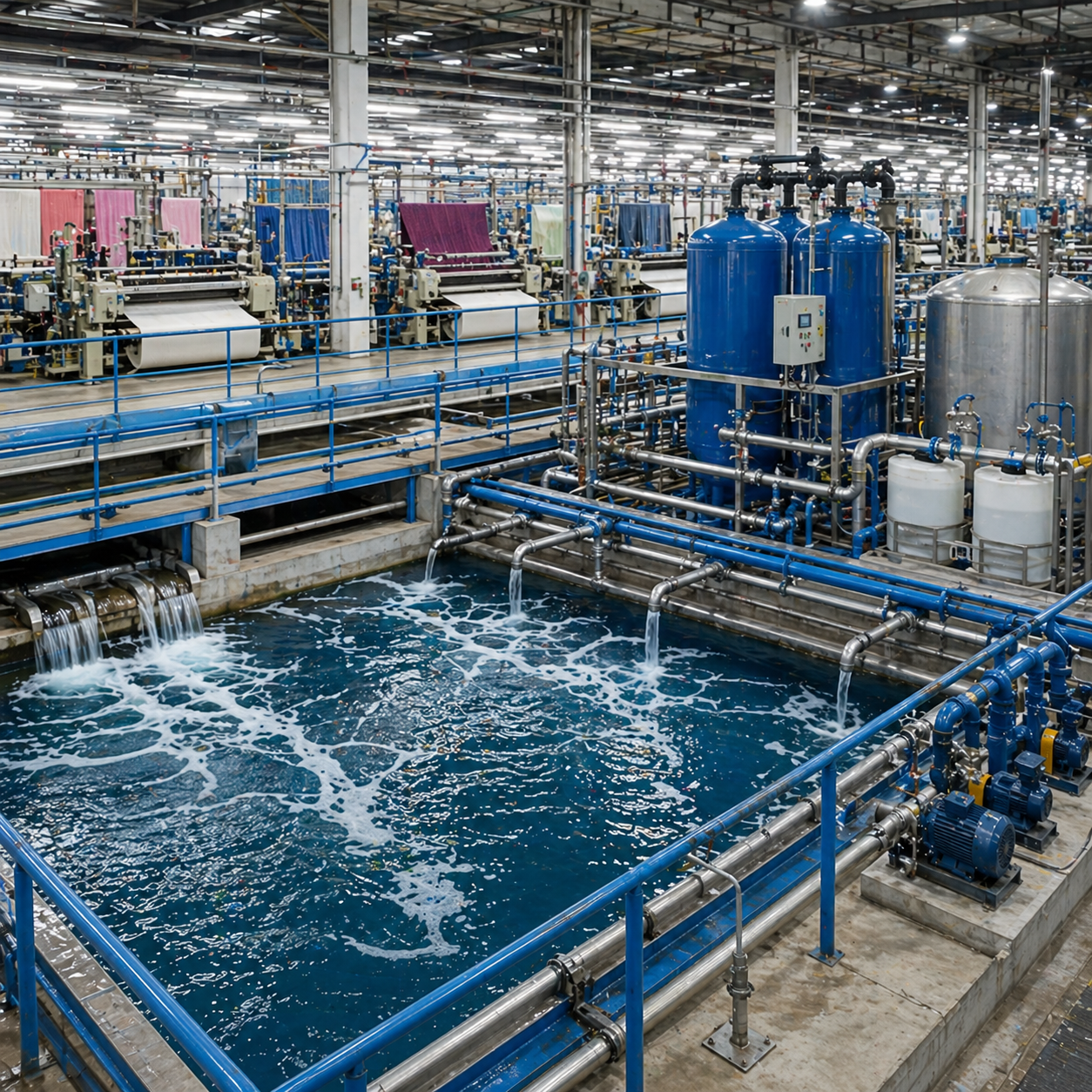
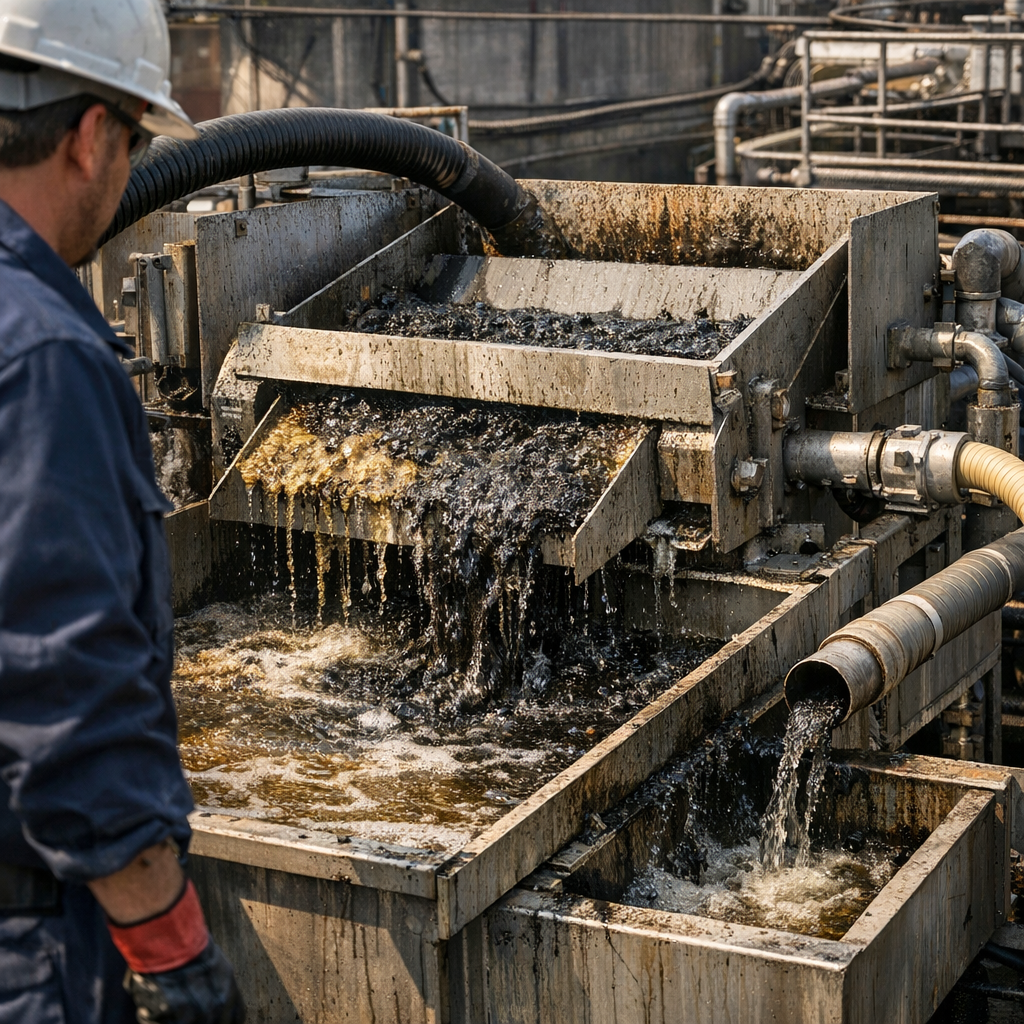
Textile manufacturing generates some of the most challenging industrial wastewater, characterized by high color content, chemical oxygen demand (COD), total suspended solids (TSS), and complex organic compounds from dyeing, printing, and finishing processes. The industry's wastewater typically contains synthetic dyes, sizing agents, surfactants, acids, alkalis, and heavy metals that require specialized treatment approaches.
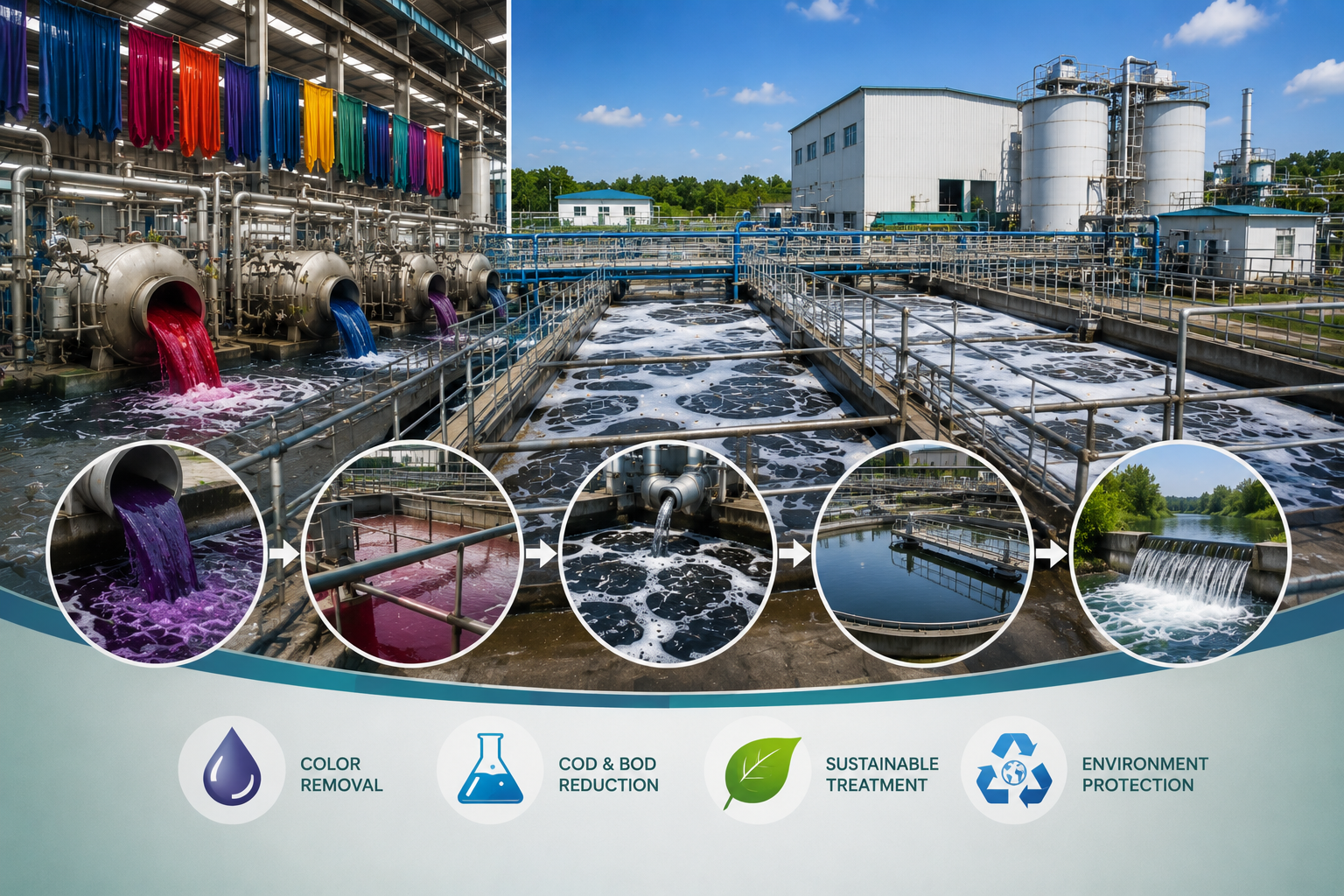
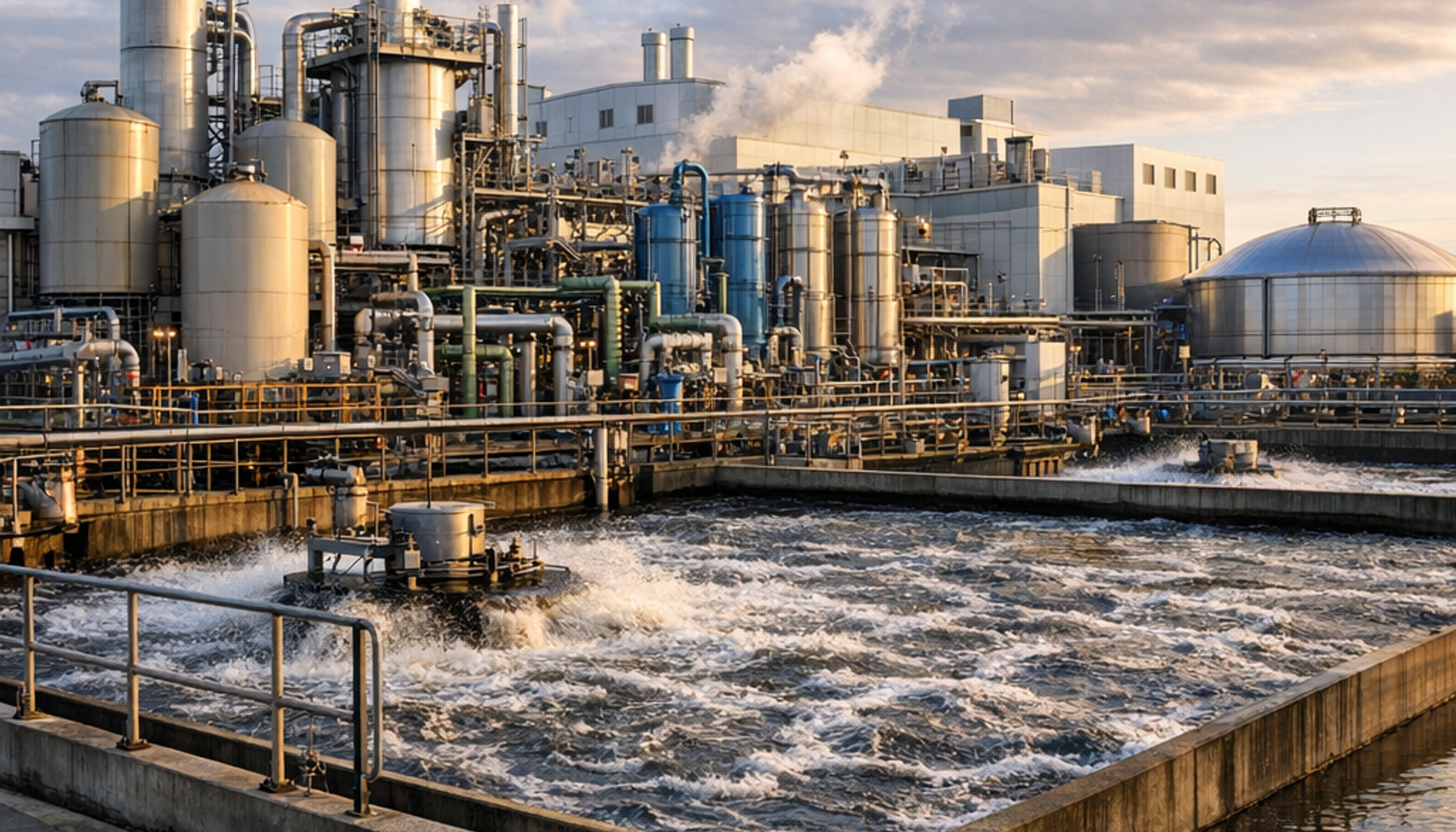
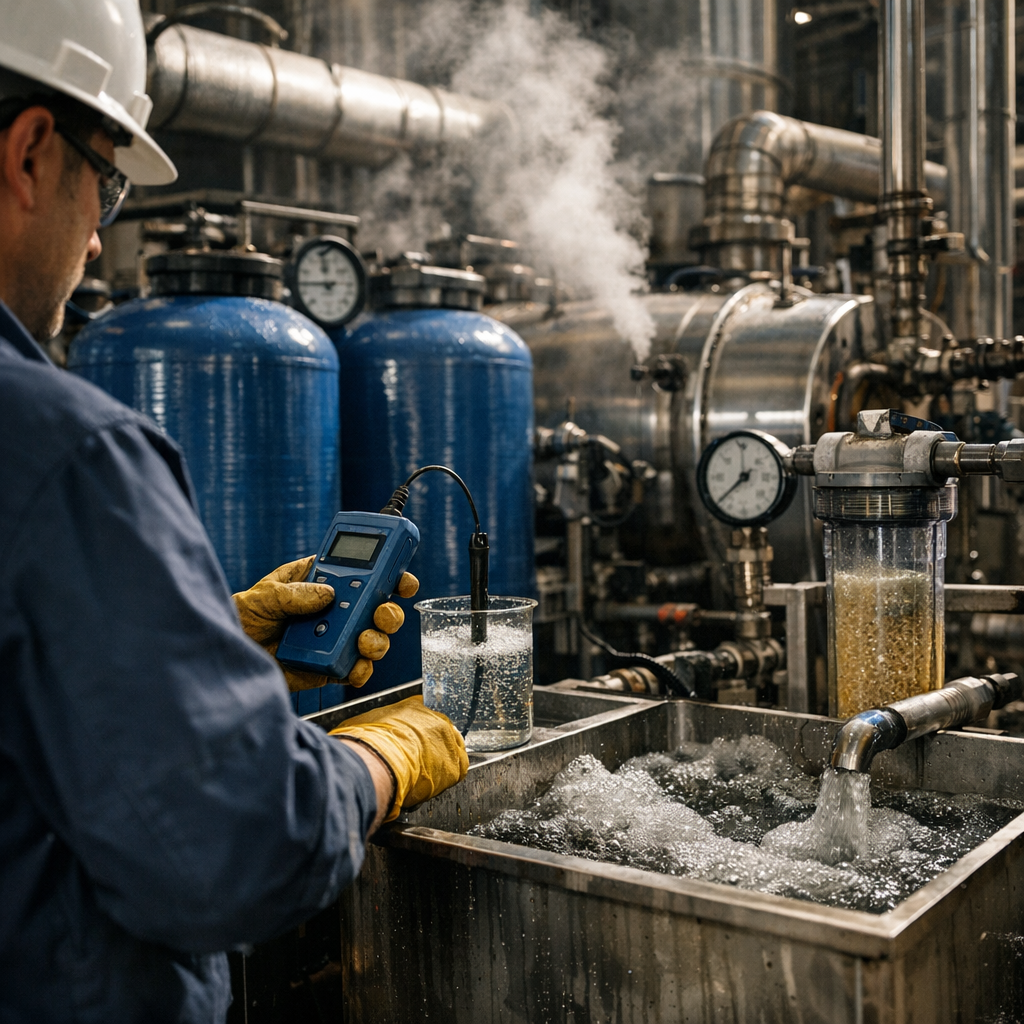
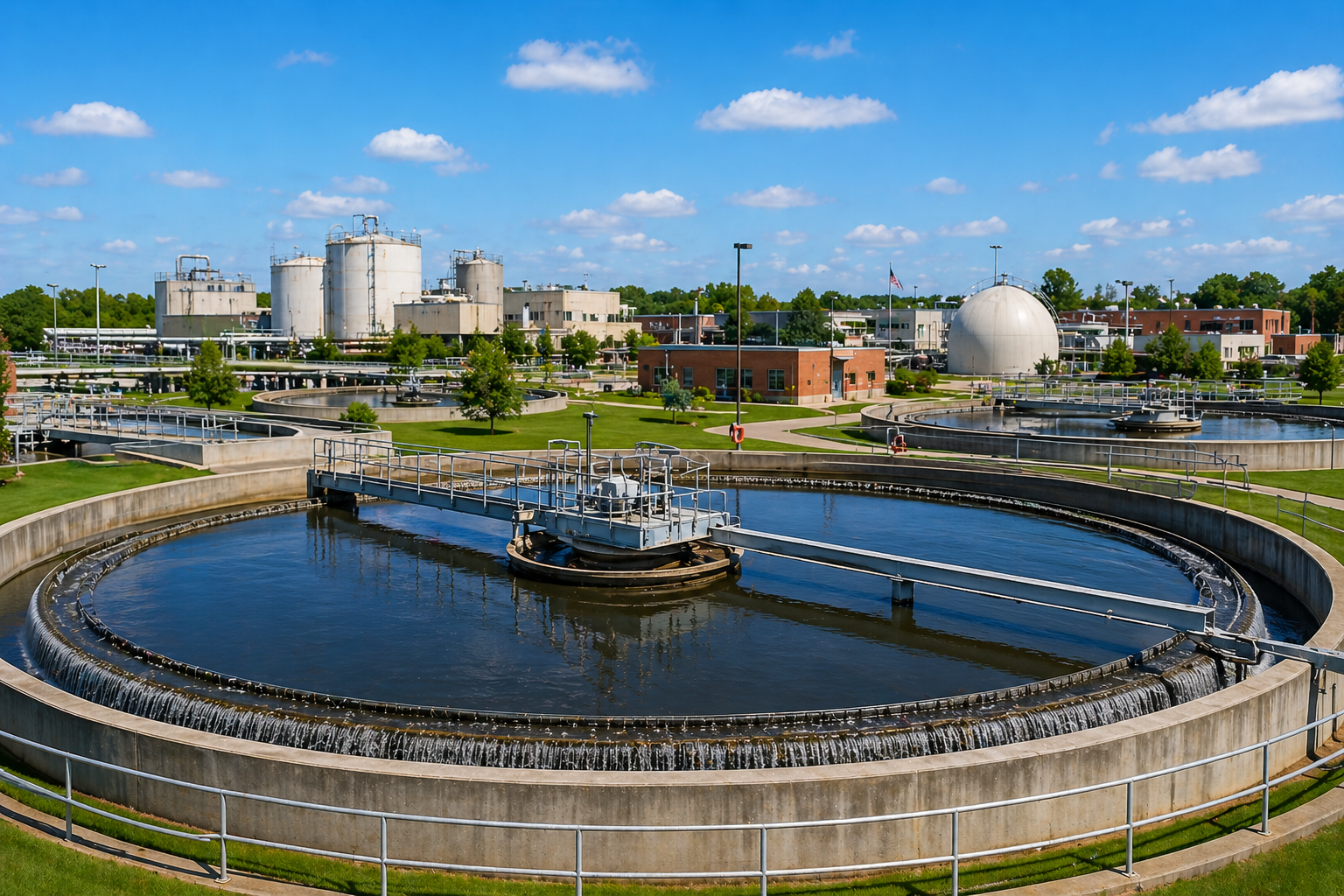
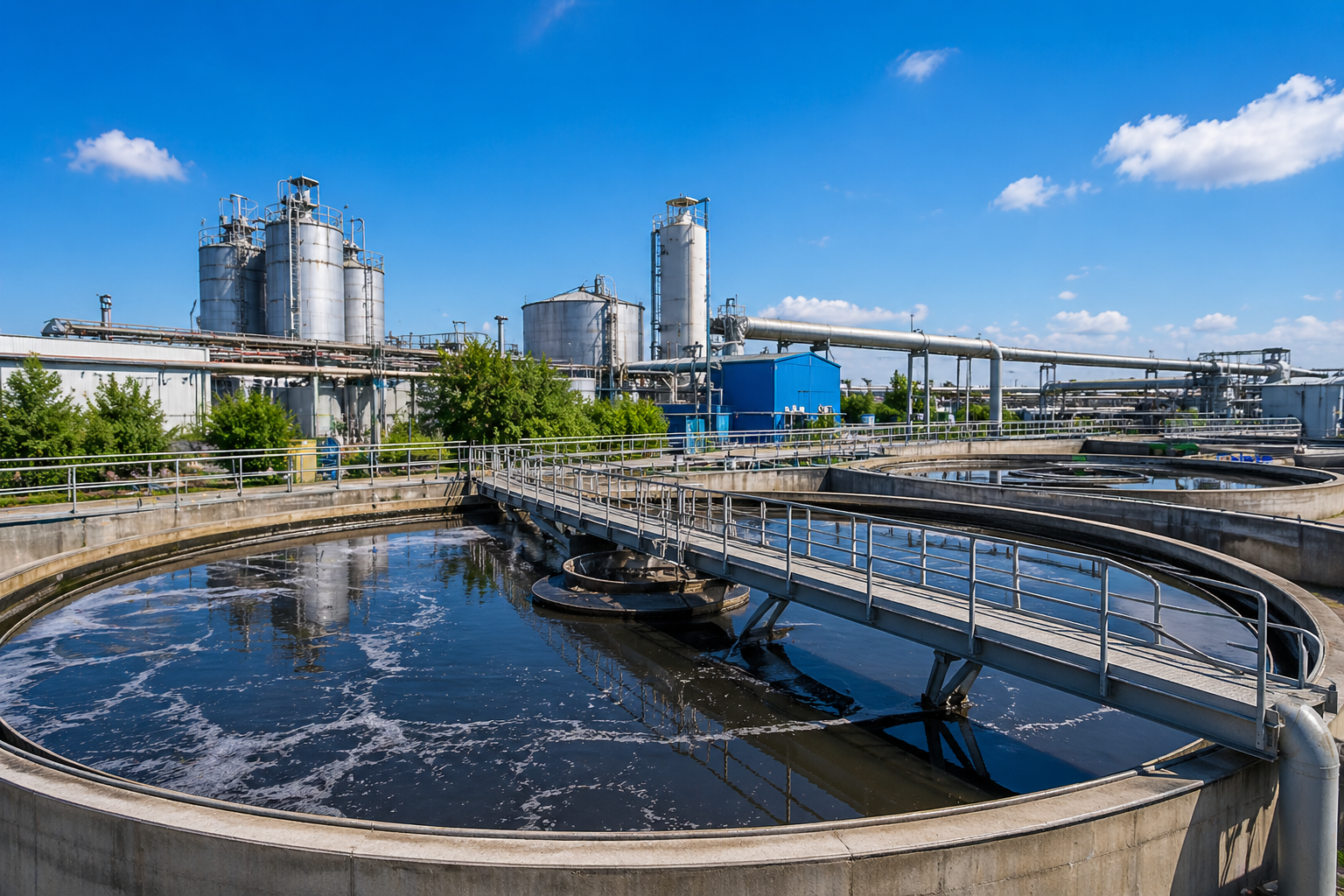
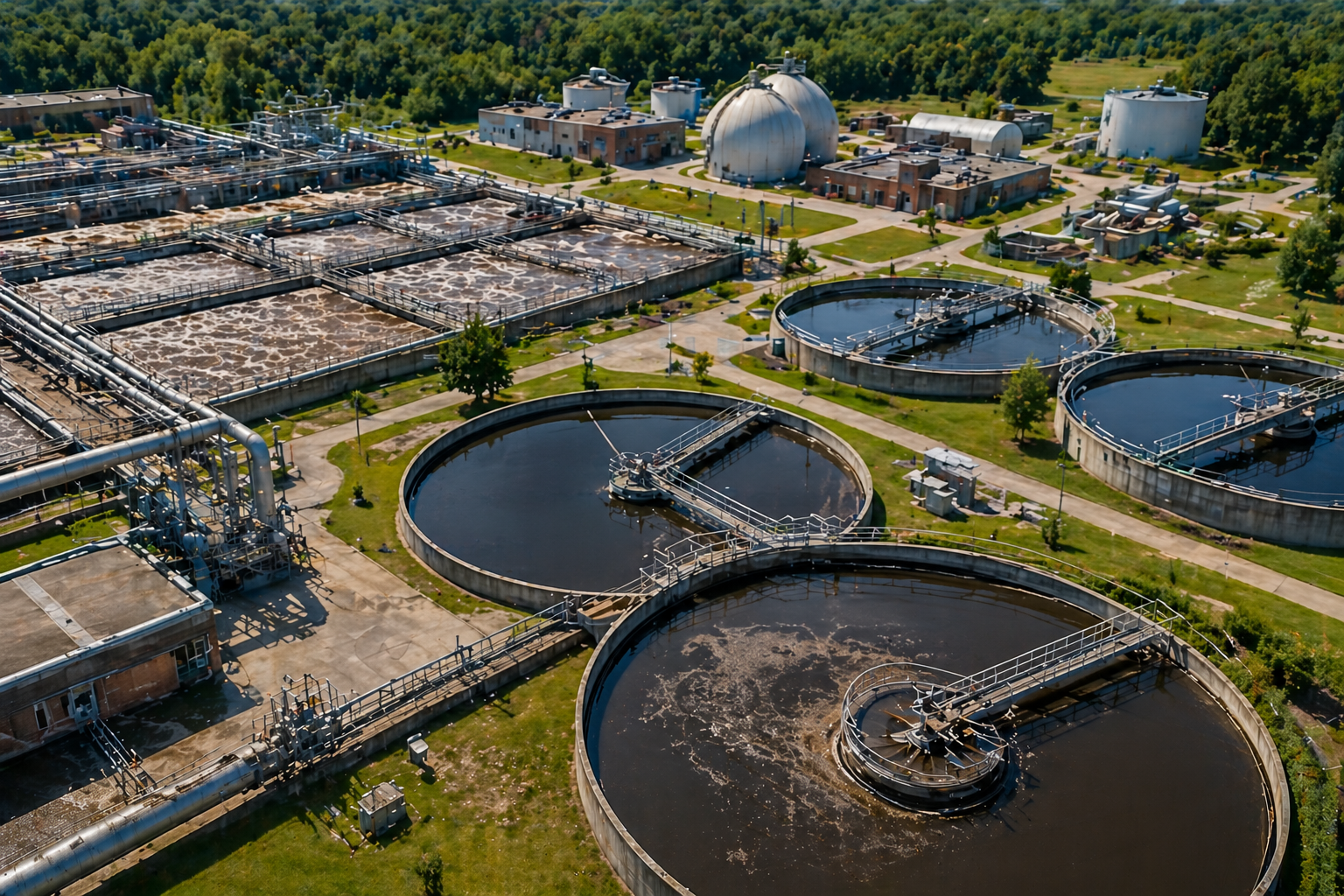
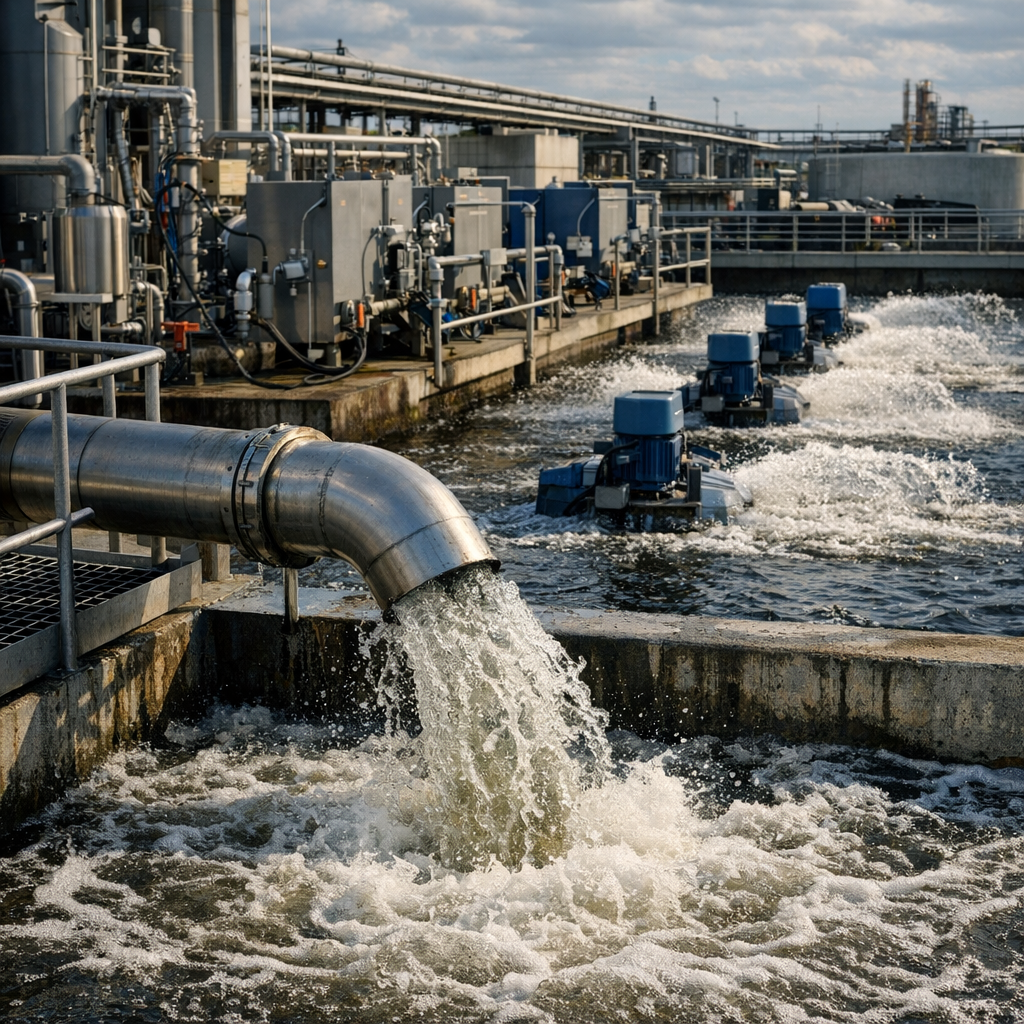
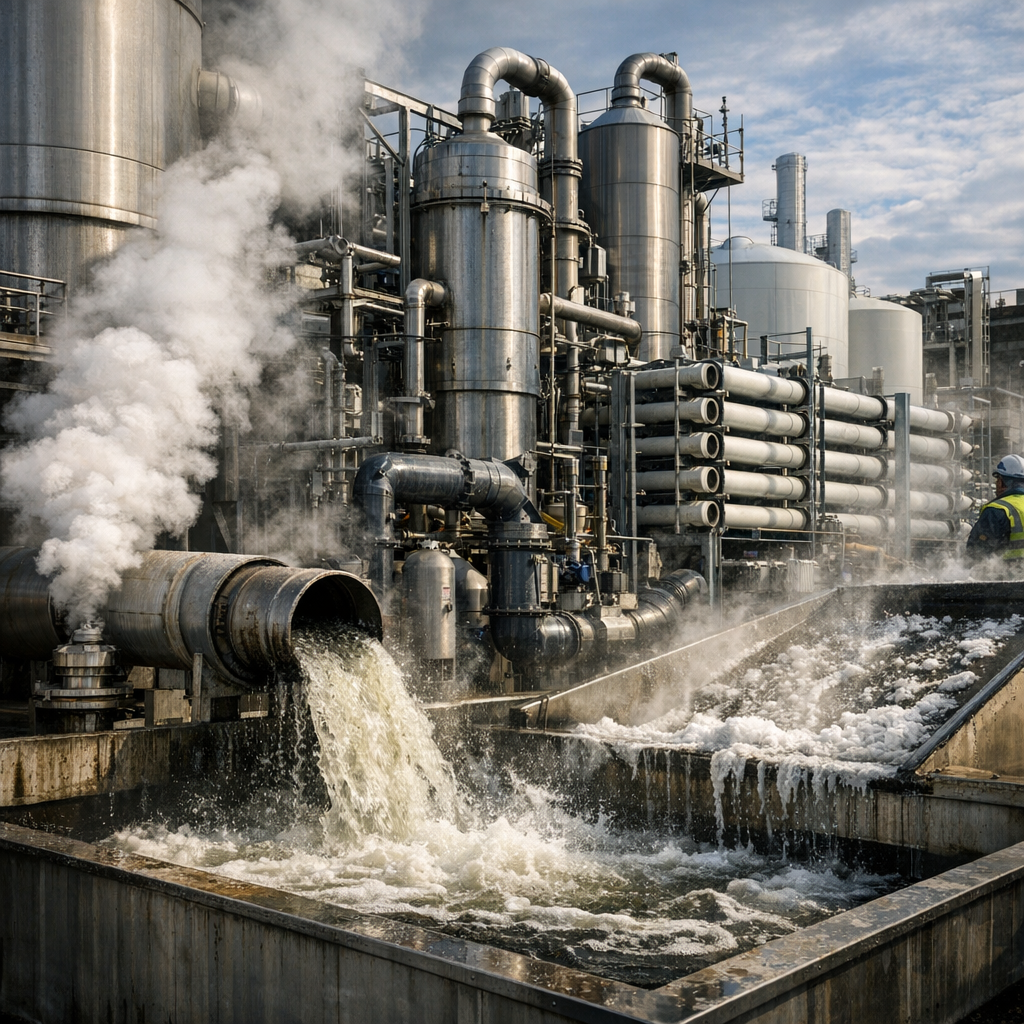
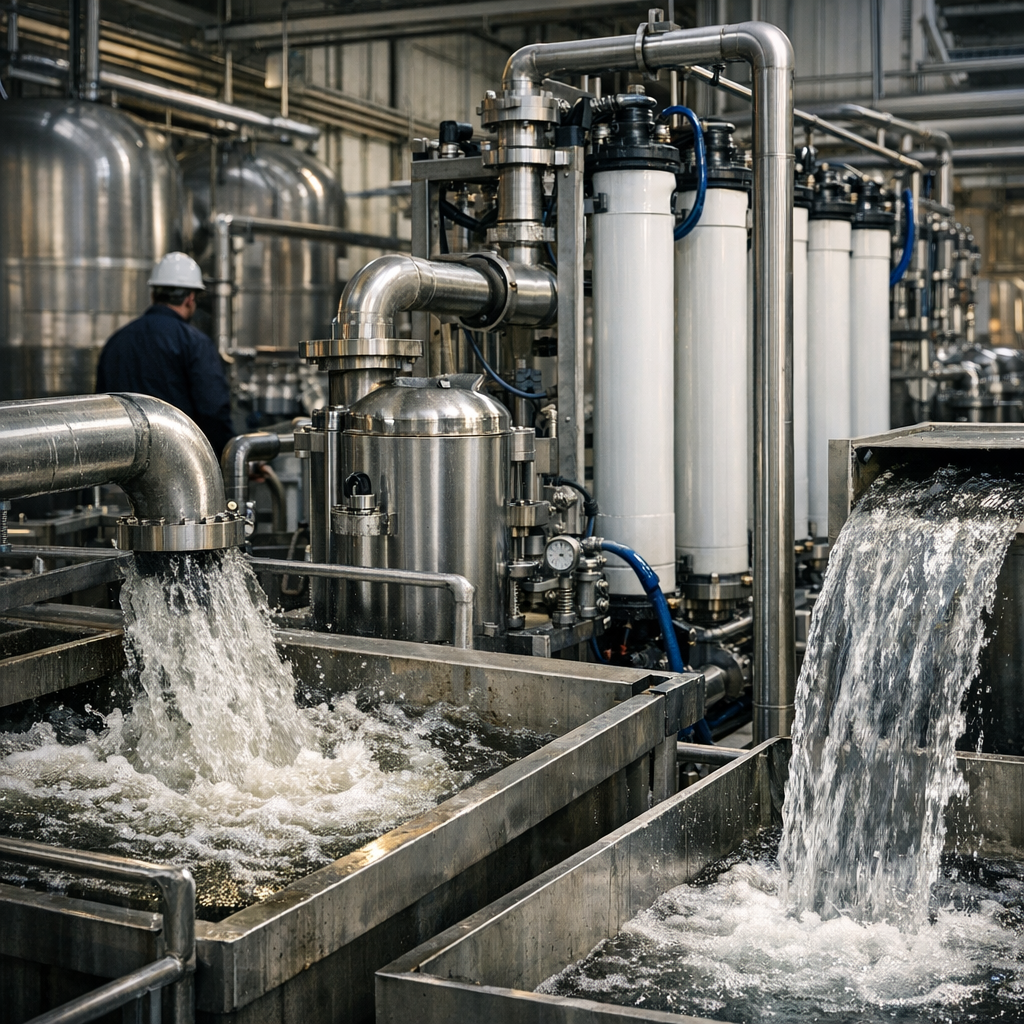
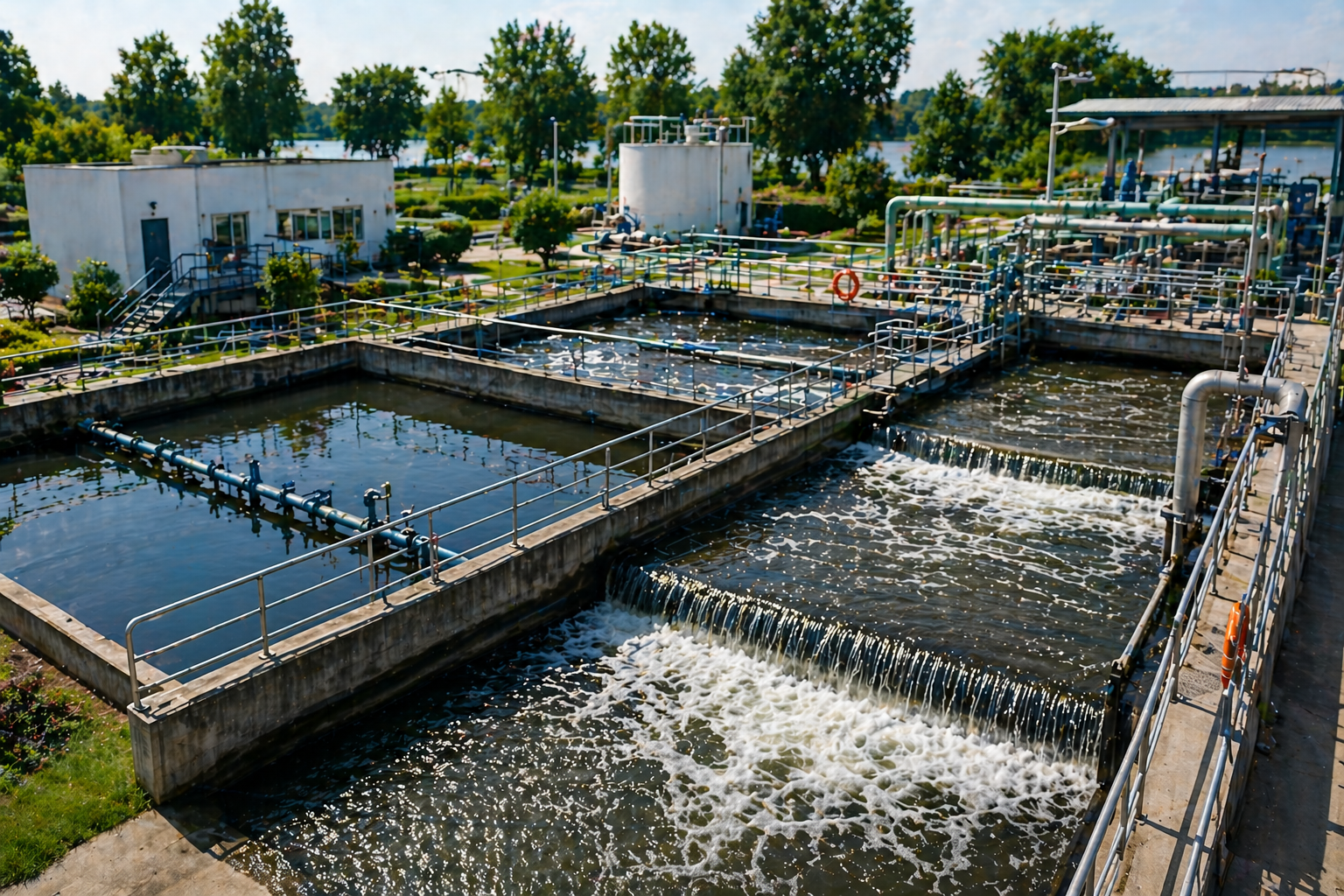
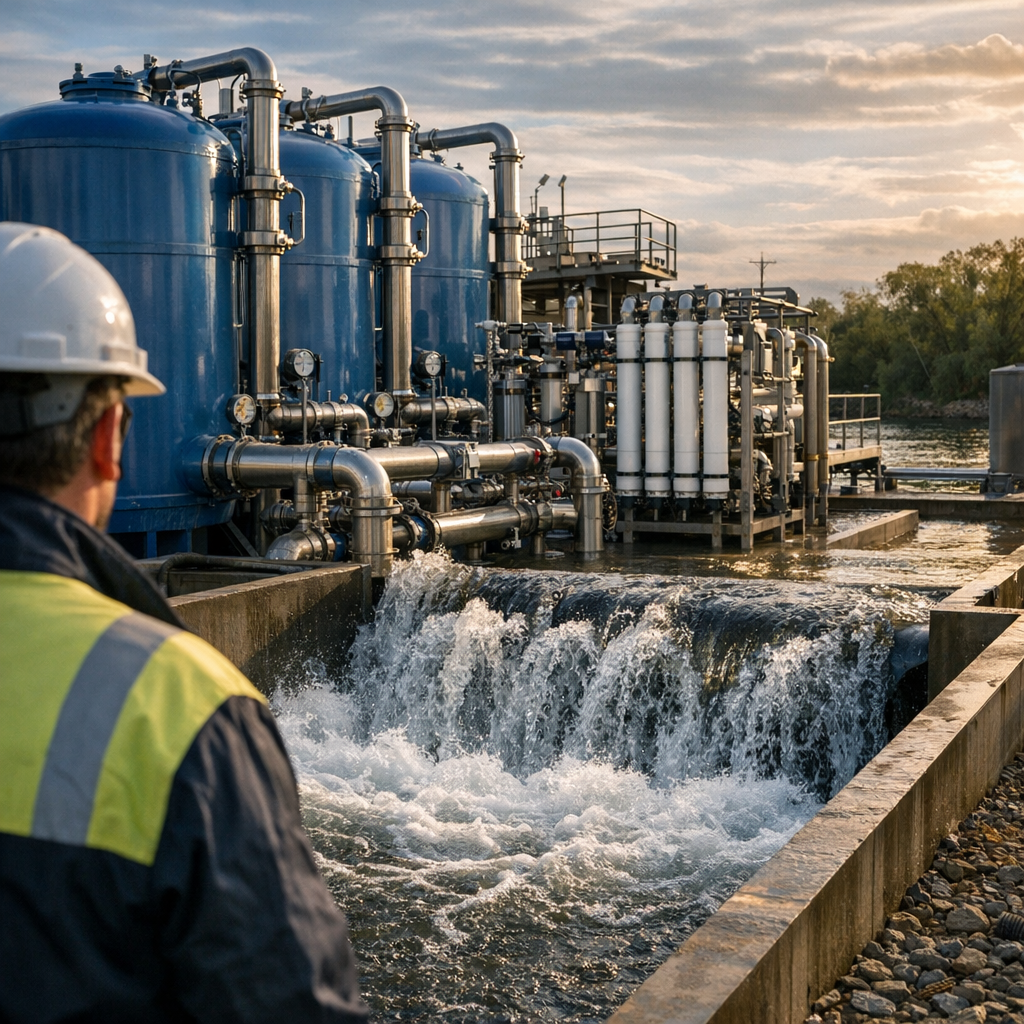
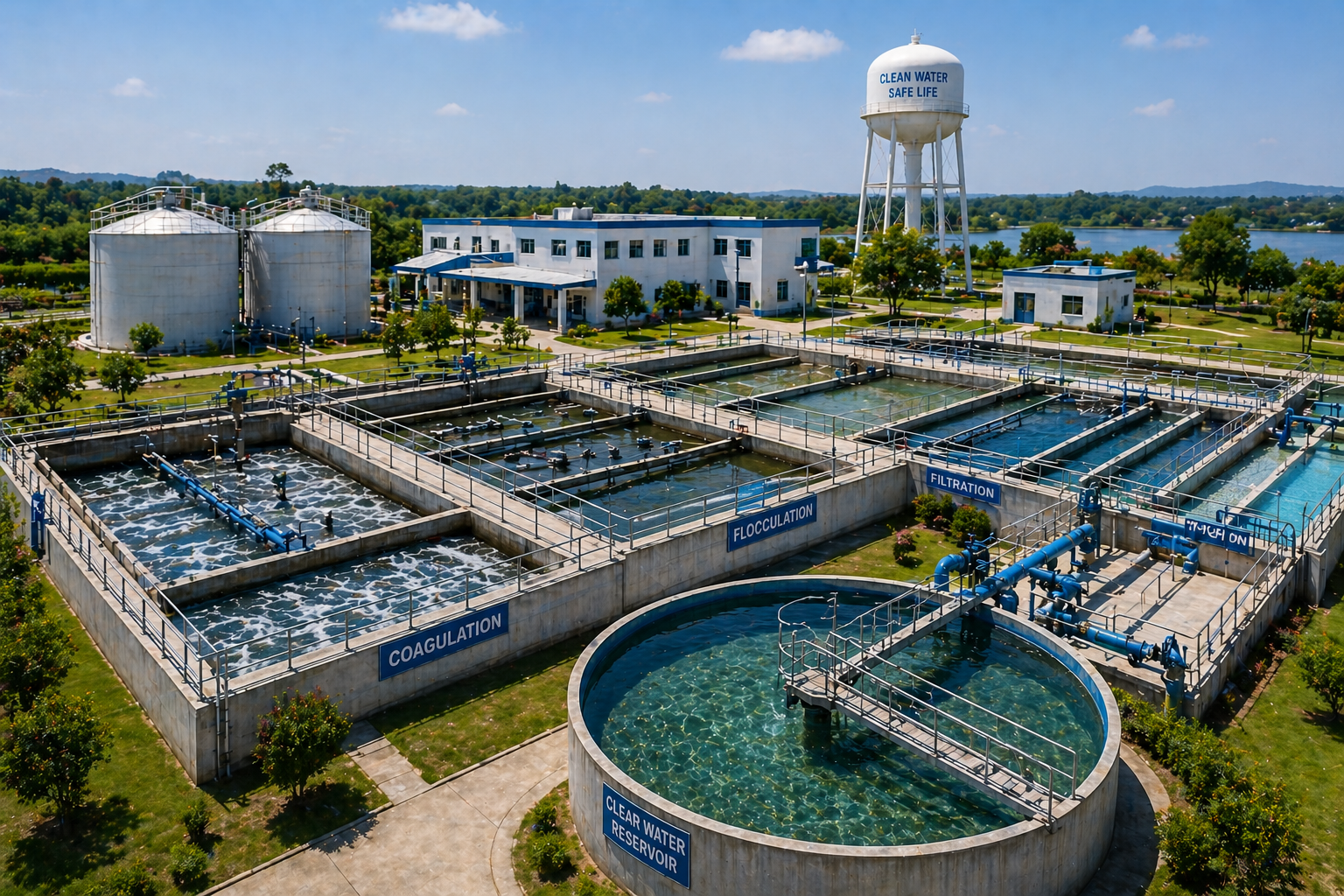
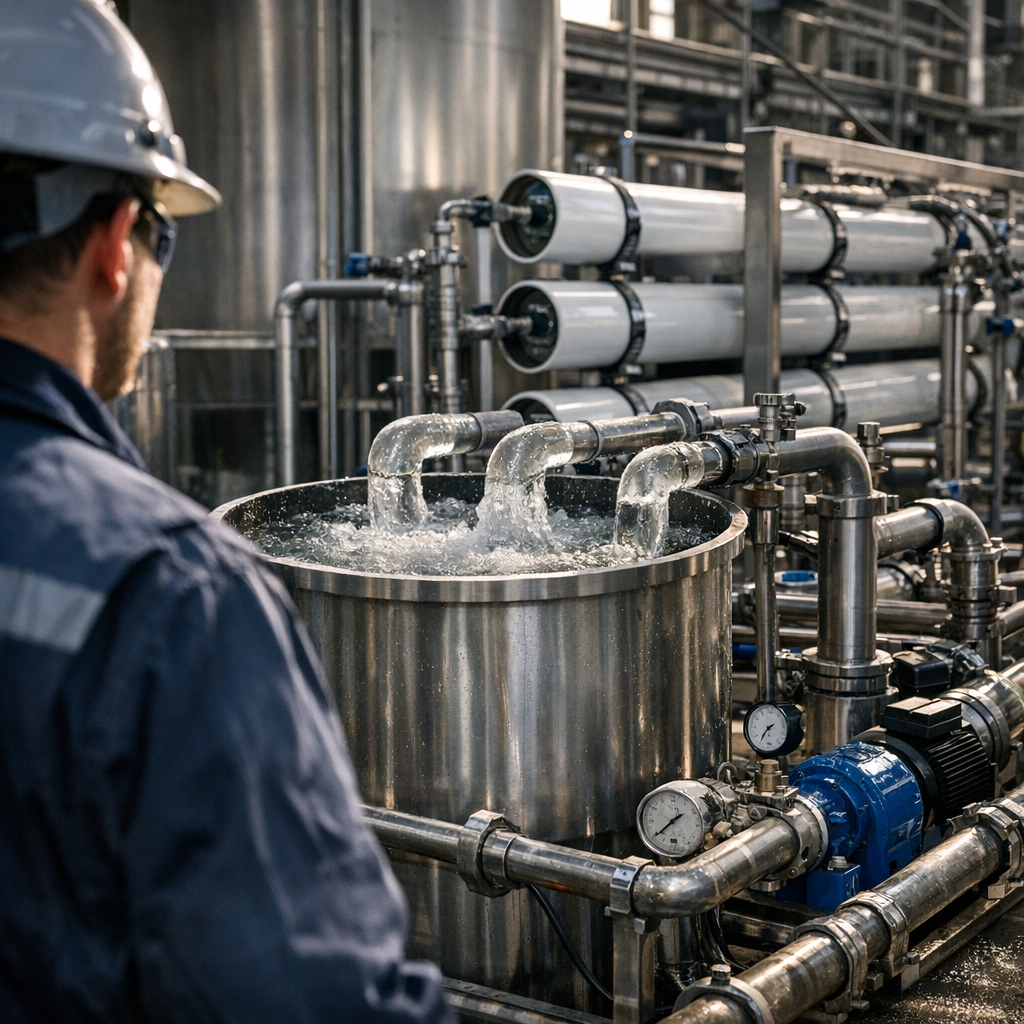
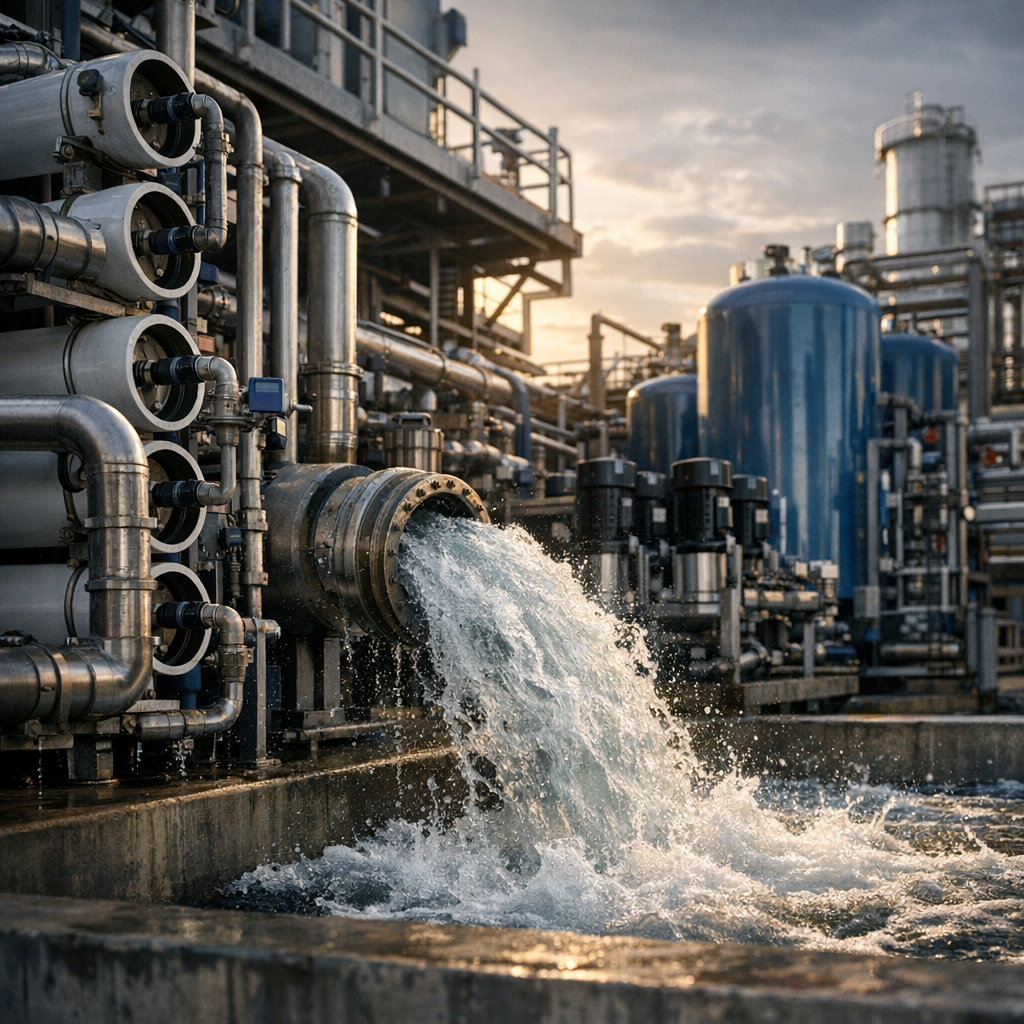
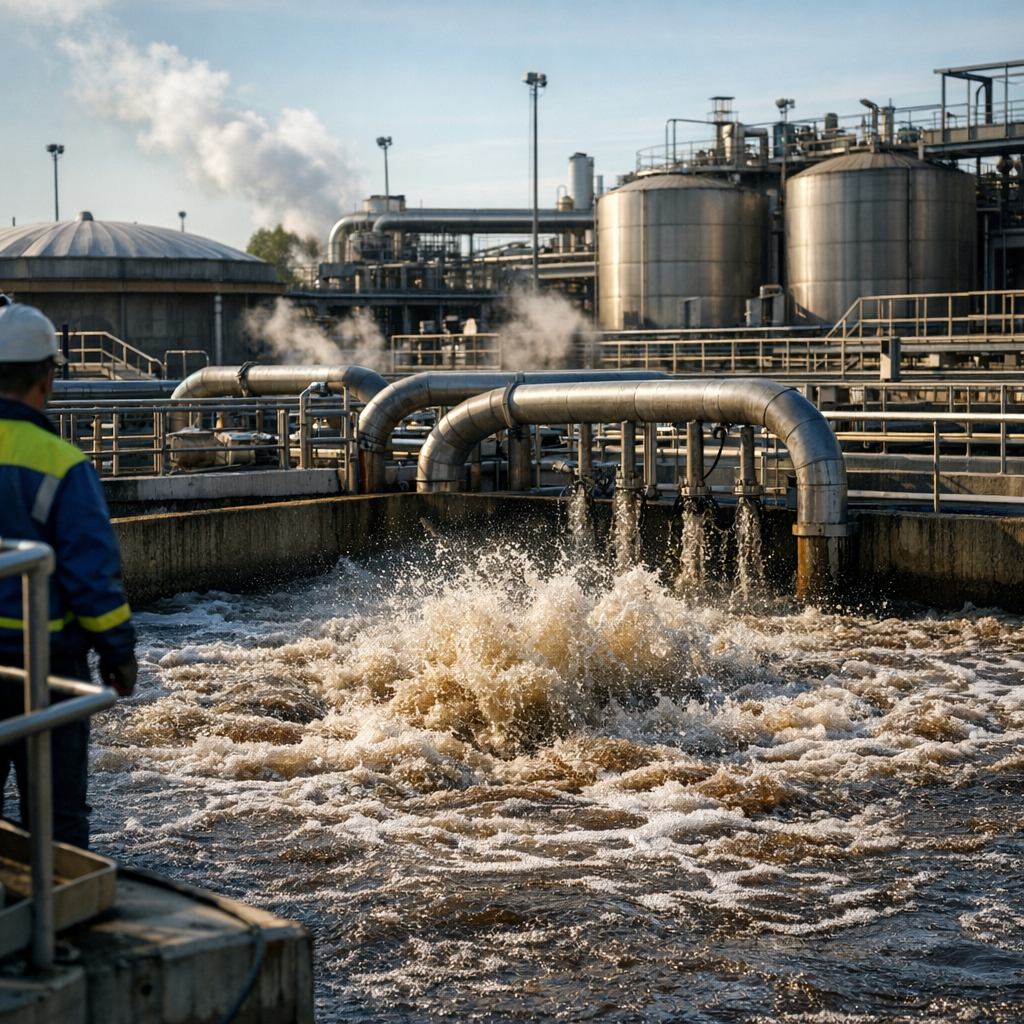
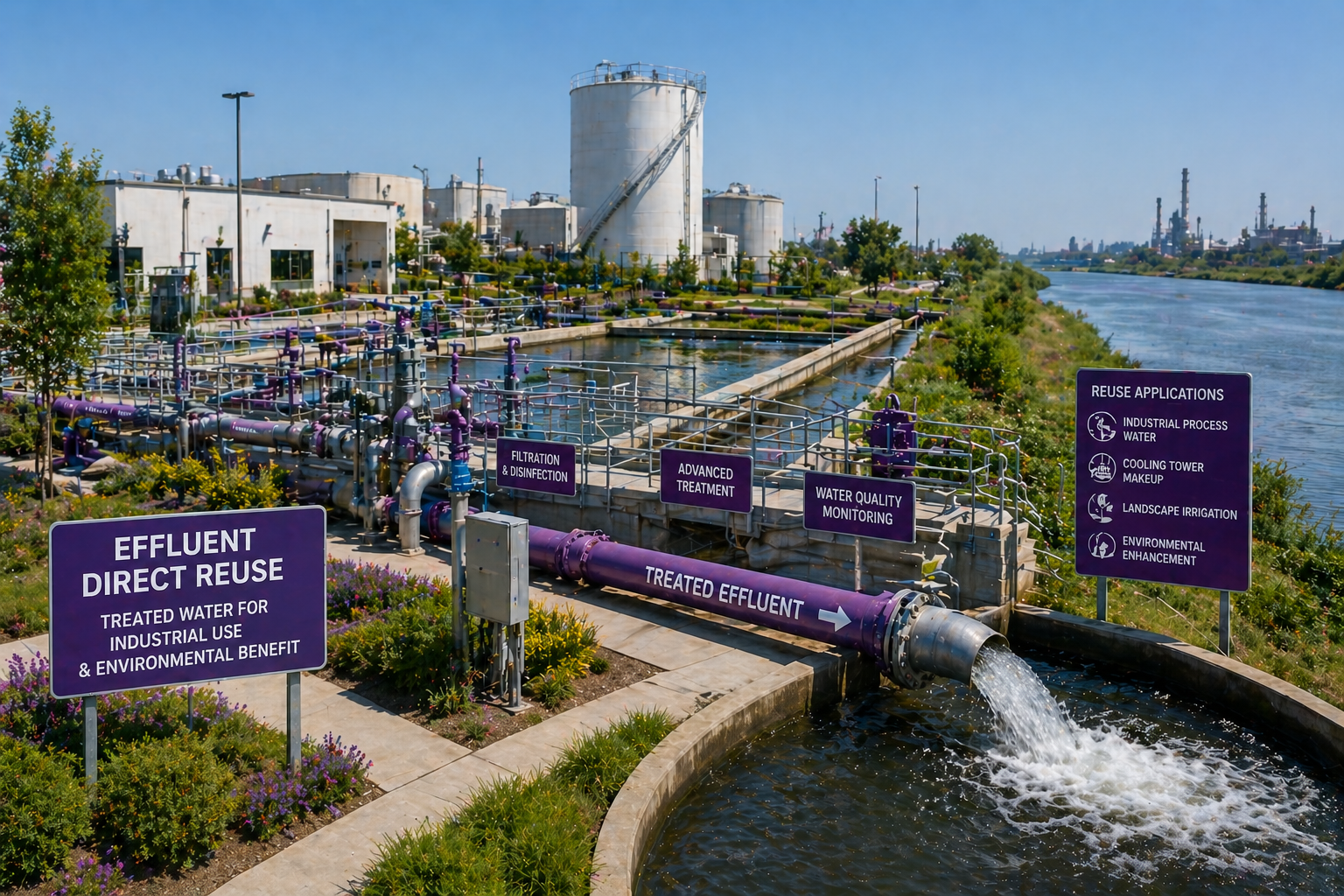
Modern textile effluent treatment systems employ multi-stage processes combining physical, chemical, and biological treatment methods. Primary treatment removes suspended solids and oils, secondary treatment uses activated sludge or other biological processes to reduce BOD and COD, while tertiary treatment focuses on color removal and advanced purification. Membrane technologies like ultrafiltration and reverse osmosis enable water recovery rates of 80-95%.
Regulatory compliance drives the need for zero liquid discharge (ZLD) systems in many regions, while water scarcity makes effluent recycling economically attractive. Key performance metrics include COD reduction (>90%), color removal (>95%), and total dissolved solids management to enable process water reuse in non-critical applications.